Wabi-Sabi Welcome + A Chat With Julie Pointer Adams

I’ve always found personal collections to be very intriguing things. What draws us to collect what we do? Piece by piece, our collections grow and change over the years, taking on new texture, depth, and personality. For many, the hobby itself lasts a lifetime, as we seek out those things that stir the soul in some intimate way.
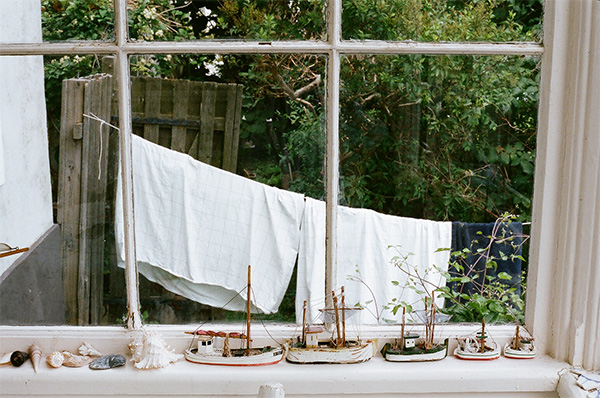
What do you collect? For my mother, it’s coral sea fans and heart shaped rocks she’s picked up along her travels. For my mother-in-law, it is miniature silver sombreros that she’s sourced from markets and shops all over the world. On a trip to a private residence in the Dordogne Valley a few years ago, I was taken by the collection of walking sticks that belonged to our elder host. Each one was differently adorned, with fox heads, jeweled caps, and other fanciful curiosities. Over the years, I’ve built up a collection of coffee table books, and I’m proud of the little library it has become. Books have a way of binding people together and I love how revelatory they can be when compiled  in a room. Together, the assorted titles, genres, and subject matters make up a larger story about my interests in life. My collection ranges from the African Masai to the Virgin Mary, from Provence to party dresses, from WW2 history to Maharajas jewels. All of these tomes offer a glimmer of insight into the things that pique my curiosity and feed my daily appetite. Knowing this, it should come as no surprise that I am always on the hunt for a new book to add to my collection.

Much to my delight, I recently found a new favorite in Julie Pointer Adams’ Wabi-Sabi Welcome. Julie is a Santa Barbara writer, photographer, and the proprietor of a floral studio called Olivetta. (what a dream, right?) In Wabi-Sabi Welcomeshe opens the door to a refreshing, simplified way of thinking about our lives.
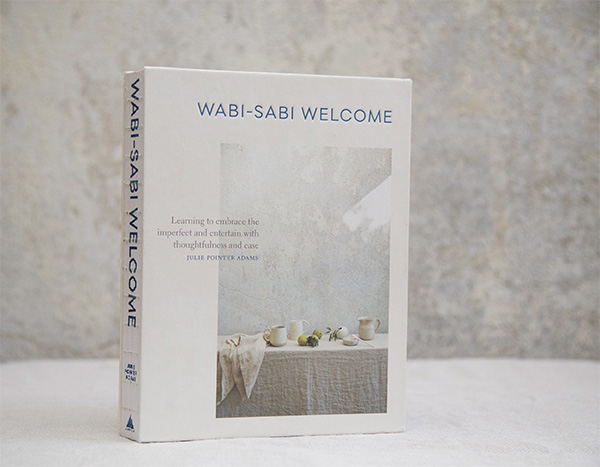
Wabi-sabi is a Japanese philosophy and a way of life that revolves around the acceptance of simplicity and imperfection. We live in an age where social media has bred a contrived culture of perfectionism, and this culture often has a negative impact on the way we live. Whether it’s Instagram, Facebook, or something in between, social media makes it easier than ever to compare ourselves to others, which in turn can make us feel less grateful and content with who we are and the things we have.  The wabi-sabi way is an antidote to this culture, and the book takes us through the ways we can incorporate its guiding principles into our own lives. From bringing nature indoors to bringing friends together, the book carves out a space in the soul that reminds us to slow down, to embrace gratitude, to be present in life, and to seek beauty in everything. As an avid and passionate entertainer, I especially enjoyed her take on how to entertain with a wabi-sabi sensibility. It’s not about the flowers or the china or the stress that comes with making everything perfect and orderly. Rather, it’s the easygoing and unpretentious occasions, those moments when we are truly present with our guests, nourishing one another through simple food and honest hospitality, that remain in memory.
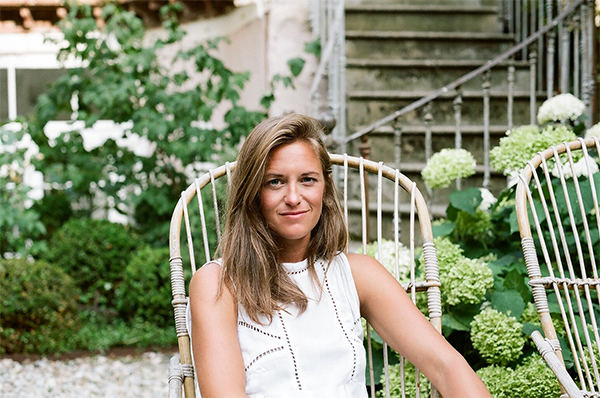
The philosophy behind wabi-sabi is explained in more detail by the author below, yet one of the things that resonates with me most is the idea that everything is fleeting, that the things we own are temporary, and we ourselves are transient. Embracing this truth makes it easier to see the value of a wabi-sabi life founded on beauty, simplicity, humility, and grace. The book is divided into places — Denmark, Italy, California, France, and Japan — and we’re invited into people’s homes to learn first hand how wabi-sabi is at work around the world. These stories, typed alongside Julie’s own, understated photographs illustrate a simple, rewarding existence that we can all be a part of. Read my interview with Julie Pointer Adams at the jump – enjoy!
Continue Reading

Posted In: Interviews, Living

Mediterranean Salad

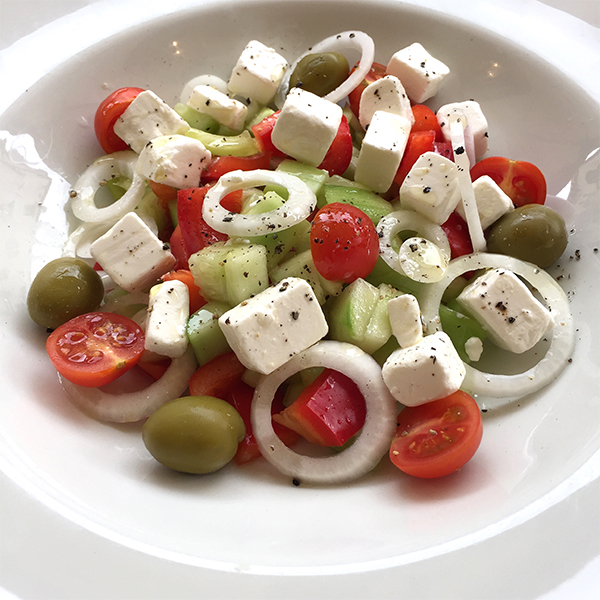
As cooking has become more and more of a passion in my life, I’ve come to find that simple ingredients, when combined, often make the most satisfying meals. This Mediterranean salad – which I enjoyed while sitting in a crumbly old courtyard in Split, Croatia – is a good example of this. Bring together creamy feta, sliced cherry tomatoes, crunchy onion slivers, salty olives, and peppered cucumbers. Then drizzle the ingredients with the best, green olive oil and sprinkle with flaked salt and cracks of pepper. And Dobar Tek! (aka: Bon Appetit in Croatian!) This, my friends, is simple, healthy meal prep at its best.

Posted In: Food & Drink

An Interview with Estelle Calafato Valtancoli

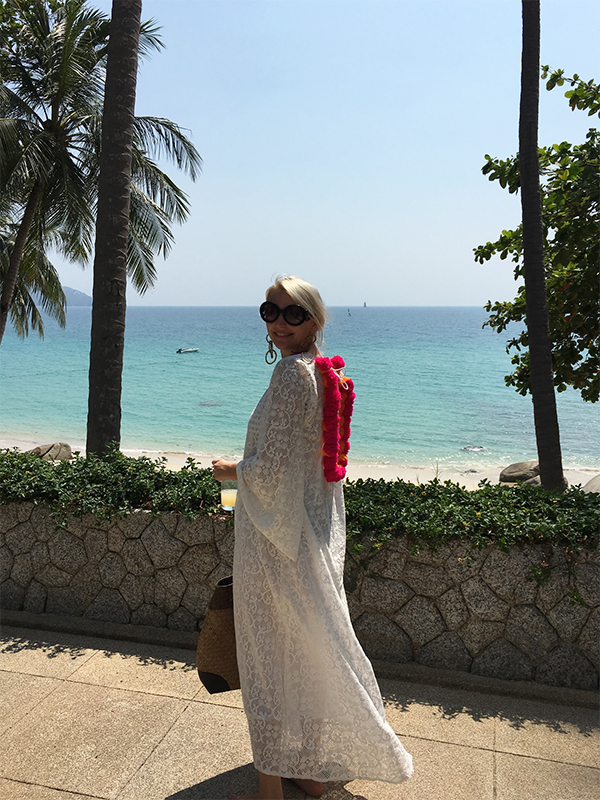
Zihuatanejo is one of my favorite places on earth. “Zihuat,” as I often call it, is one of those places that doesn’t require much packing – just a few bathing suits and a chic cover-up or two. This cover up by Sundress is an absolute favorite of mine and one that has traveled with me all over the world (including Phuket, Thailand where these pictures were taken.) I have my stylish sister-in-law to thank for letting me know about the brand, which was founded by Estelle Calafato Valtancoli in 2014. Estelle began her career at Nina Ricci before starting her own line, which is inspired by her myriad travels and the rich colors and textiles found in exotic, faraway destinations. I had the pleasure of talking to the founder about her vision and inspirations.

Continue Reading

Posted In: Interviews, Style

Buly 1803

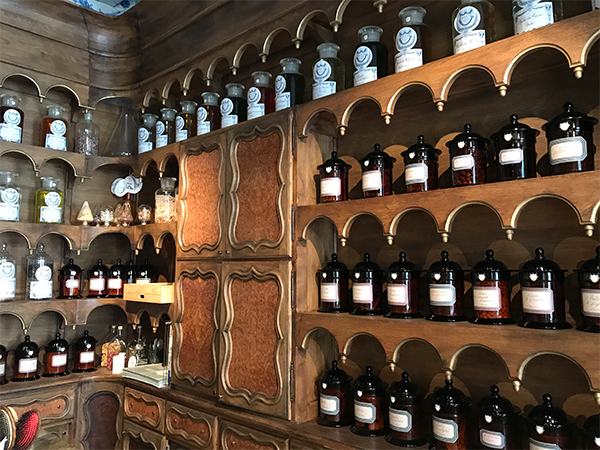
The old-world interiors of Buly 1803.

As I mentioned in this post, Paris for me has always been a city of discovery. In my opinion, there is nothing more thrilling than spending an afternoon walking the streets and stumbling upon treasure. Buly 1803 is one such treasure trove, a perfumery from the late 18th century that is right out of a history book. Inside, tiled floors bear the business’s name and carved wooden shelves are lined with glass alchemy jars, potions, precious soaps, Japanese cleansing brushes, and exotic oils. Buly is the name of an 18th century perfumer who made a name for himself from his scented vinegars and discerning fragrances. Today, his legacy lives on in the tiny shop of the same name off Rue Bonaparte in Paris’s St. Germain neighborhood.

Continue Reading

Posted In: Travel

Back To Paris

This week marks the beginning of a grand adventure for my husband and I. Much to our delight, we are leaving the Texas heat behind for a week in Paris and a road trip thereafter to Austria and the Dolomites. Paris is an especially meaningful place for the two of us, given that it is the city where our relationship began. Subsequently, every trip back is a sweet reminder of our first days together. I am looking forward to cooler temperatures, a trip to the Musee Picasso, picnics in the park, and a cooking class or two. To get in the spirit, we’ve had French music playing in the house and I’ve pulled some of my favorite Paris-based books and movies, from A Moveable Feast to Midnight in Paris (and Ratatouille…let’s be honest.)

Pinterest: Photography by C.D.K.

Continue Reading

Posted In: Travel

An Interview With Genevieve Frosch

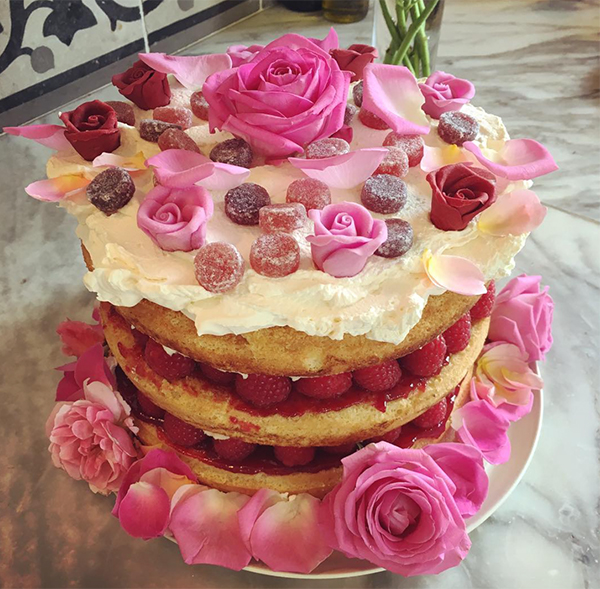
Since I was a little girl I’ve had a soft spot for sweets. As I have grown up, this temptation never wavered, perhaps only getting worse, I’m afraid. Some of my favorite sugar-coated memories include popping into tiny sweet shops as a study abroad student in Florence, trying homemade lemon tarts topped with fresh berries, or biting into my first raspberry macaron in Paris. Needless to say, sweets make me happy and I love when people find ways to make them extra special. As I was scanning my Instagram feed one day I stumbled upon the most beautiful, whimsical cakes crafted by English baker, Genevieve Frosch. One of her cakes was included in a November 2016 American Vogue spread with author and Vogue writer, Plum Sykes. These are no ordinary gâteaux, mind you. Frosch has a decadent decorating flair that incorporates all kinds of delectable motifs, from fresh flower petals to sugared gum drops, wild berries, fallen leaves, jammy preserves, and stone fruits like apricots and cherries. Most all of her cakes are multi-layered and imperfect, polished and playful, the combination of which makes them utterly irresistible, in my opinion. I had the pleasure of interviewing Genevieve and loved learning more about her process – keep reading to meet the charming baker extraordinaire.

Continue Reading

Posted In: Food & Drink, Interviews

Living With Lilacs

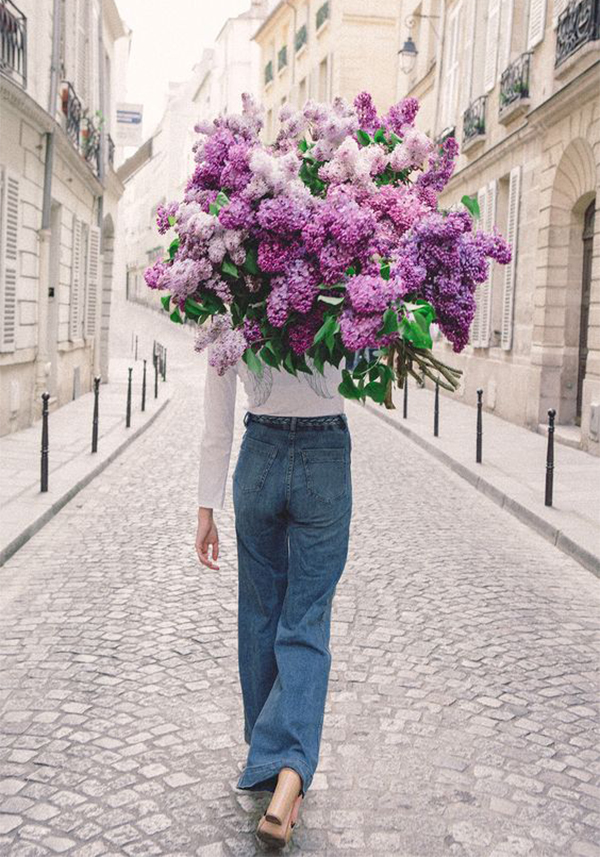
Picture via Pinterest

Do you have a favorite flower? I have gone through many over the years, from white daisies with sunshine centers to eggshell-colored peonies and tissue-thin ranunculus. In the past few years, however, my loyalty has lied with lilacs. I’m enamored by the floral symbology of lilacs, their intoxicating fragrance, and their beautiful, trembling buds. According to Greek mythology, the story of the lilac begins with an attractive nymph named Syringa, who turned herself into the aromatic bush in order to escape the zealous chasing of Pan, the god of the forests and fields. Lilacs bloom with each returning spring, living short, yet vibrant lives. In parts of the Mediterranean such as Greece and Cyprus, lilacs are purportedly called paschalia, and are frequently associated with Easter. I love the lilac’s delicate buds and all the things they stand for: youthful innocence, love’s first emotions, purity, protection, confidence. My husband and I loved lilacs so much that they became the focal flower at our early spring wedding.

Continue Reading

Posted In: Living