Q&A with Composer Brian Crain
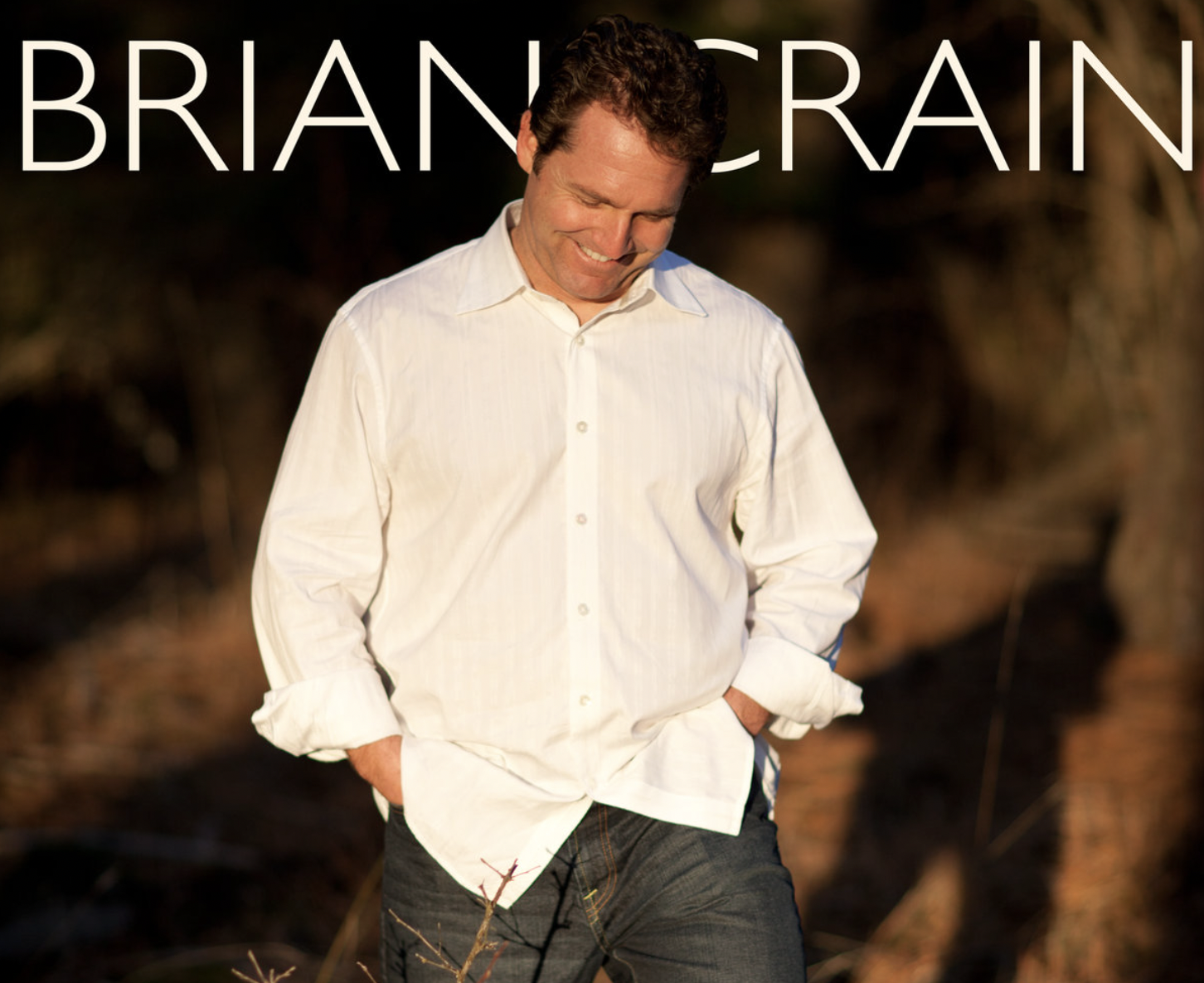
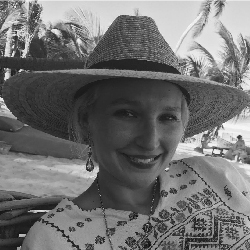
I’m thrilled to be interviewing the talented pianist and composer, Brian Crain. I first discovered Brian’s work in graduate school, and ever since, his music has become the soundtrack of my working life, accompanying me on long trips, deadline-fueled nights, daily walks, and more. His songs are introspective, at times melancholy (in the very best way), and deeply, deeply beautiful. Multiple of his albums sit on the Top 100 Charts for both iTunes and Apple Music, and he’s had over 100 million plays on Spotify alone. Furthermore, tens of thousands of piano, violin, and cello players have performed his compositions around the world. I hope you enjoy his music as much as I do!
- Where are you from and how did you ultimately decide to become a pianist and a solo piano composer?
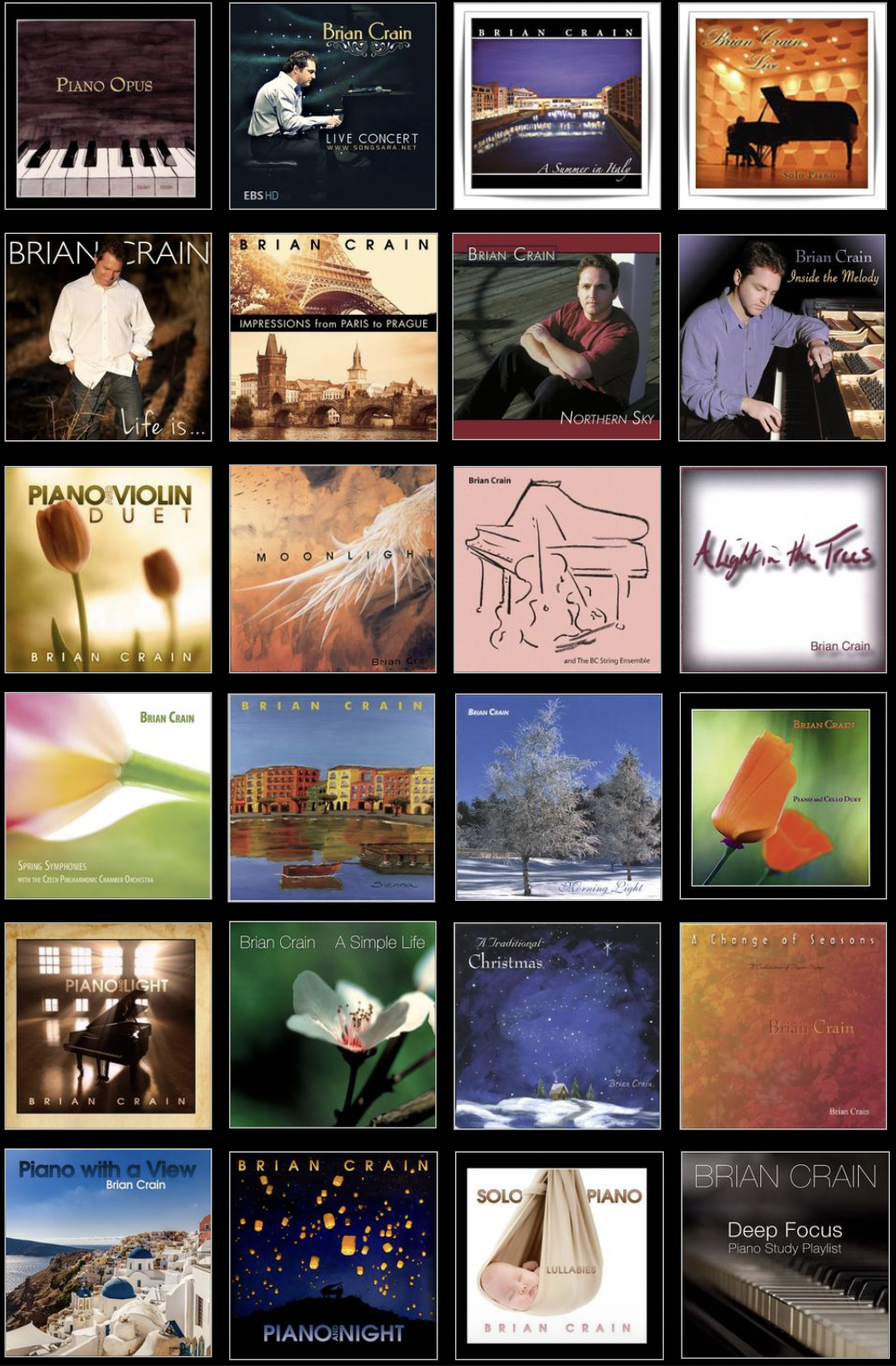
I was born in Hollywood in 1969. My dad is a retired producer/director for independent films and my mom is a potter. I lived in the Los Angeles area until 1990 then we moved to Coeur d’Alene, Idaho. Our goal was to create a movie studio in Idaho to make educational films but the opportunity dried up. I was the person in my family that created all the audio for our productions so I had extensive knowledge of audio equipment that I redirected to my music career. I wrote my first album, “A Light in the Trees,” in 1996. My plan was to make CDs in order to sell them at the arts and craft shows where my mother was selling her pottery. She has hand thrown and sold almost one million pieces of pottery during her fifty-six year career. She and I traveled to arts and craft shows around the Pacific Northwest for more than ten years. I sold my first hundred thousand CDs one by one with my listeners.
2. To what do you attribute your love of music?
I’ve been whistling ever since I can remember. I’ve always had the ability to whistle a familiar tune and then alter it at will. My parents encouraged my musical endeavors by purchasing a piano and various keyboards. I didn’t take well to them until much later in my life. I was a terrible piano student and never practiced. I still loathe practicing.
3. Were you classically trained or what did your education look like?
Other than a couple years of fledgling piano lessons, I am self-taught. I’ve studied quite a bit of theory and have enjoyed reading the masters like Beethoven and Chopin. My site reading is so bad that I still have to count the lines of the staff, but I can roughly read along with the music to get an understanding of their genius.
4. How did your musical journey evolve?
Before I recorded my first CD, my goal was to be a movie composer. I love the soundtracks by Ennio Morricone, James Horner, and John Willams and wanted to do that kind of movie composing. My thought with my first CD was that I would try to become well known as a composer so movie companies would want to hire me. That never happened but I’m much better off doing what I do now.
5. Do you have a favorite album or song in your portfolio?
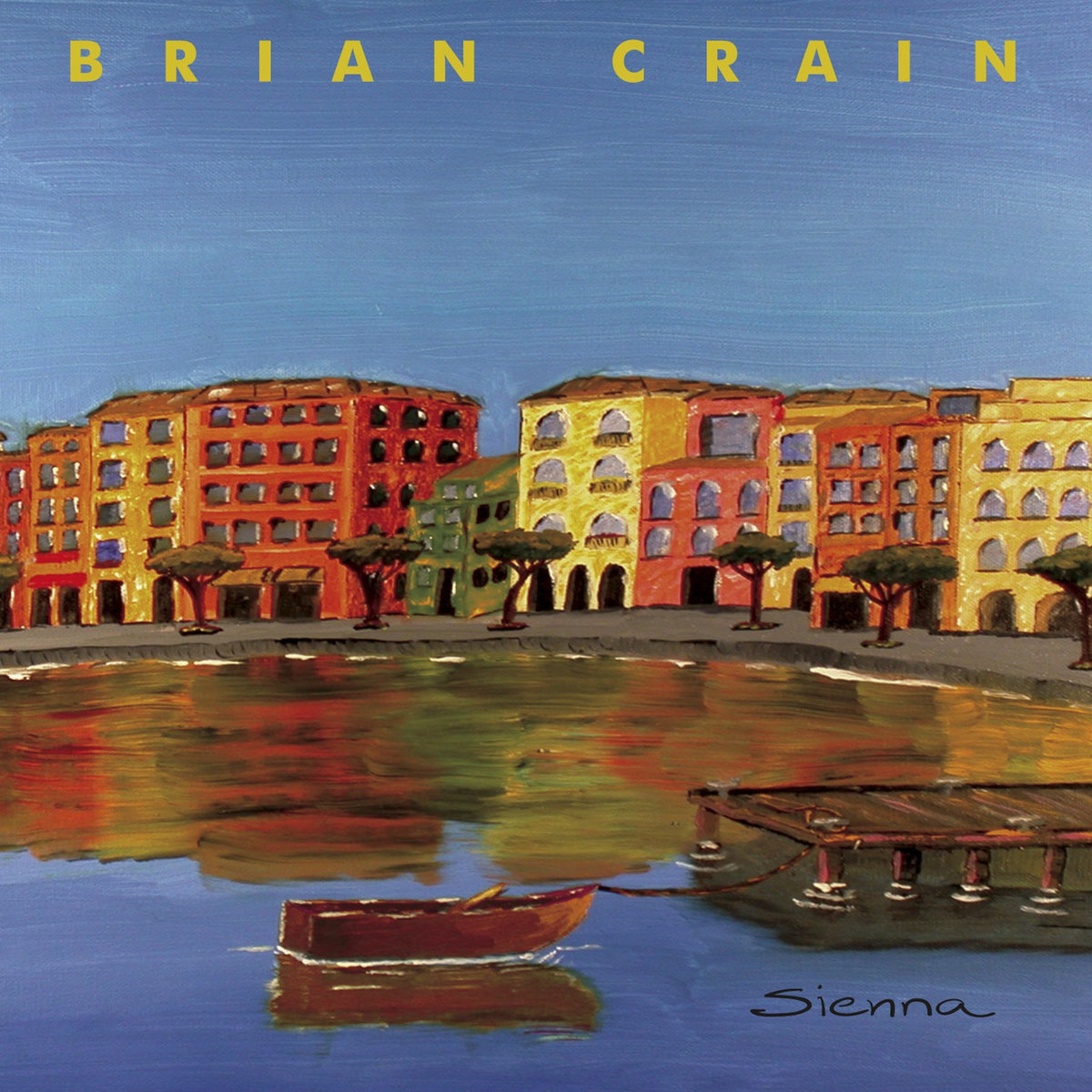
My favorites change all the time. I enjoy all my compositions but am most proud of my symphonies. I get the most enjoyment out of my piano and accordion pieces although most of my listeners prefer solo piano. I think “Ballet of the Little Cafe” is my most underrated.
6. Can you share a song or a piece of music that has shaped your life and continues to inspire you?
My favorite music by other composers are “The Falls” and “Gabriel’s Oboe” by Ennio Morricone, “Mishima” by Philip Glass, and “The Glory” soundtrack by James Horner – it’s epic. My goal in writing my music is to be as emotionally impactful as they were without the narrative support.

7. Can you tell us a bit about your creative process? Your music is so introspective – I’m curious what it feels like for you when you’re creating.
Composing for me is quite boring. I spend hours a day doodling at the piano listening for something that catches my emotions. I then add to that small segment and eventually I have a piece of music. I’m mathematical and emotional in my approach to writing. Ultimately, it’s easy for me to write music but it’s hard to write good music. Separating the wheat from the chaff is the most important part. I can write a five minute song in five minutes but it won’t stand the test of time. Some of my compositions took a few hours to write and some took months. You wouldn’t be able to tell which is which though.
8. What is it about the piano that lures you? And what other instruments have you experimented with?
I started to write on the piano because I had one and it was the best way to get my ideas into a listenable form — whistling gets old pretty quick. I do really enjoy the ability to create harmony, melody, and rhythm on one instrument. It’s also a very nostalgic instrument. There are a lot of pre-emotions built into the piano that I enjoy taking advantage of. I also enjoy playing the accordion and a little guitar.
9. Who are some of the composers and artists you most look up to, and why? Any heroes in real life?
I appreciate all the masters although I tend to pick and choose a few pieces from each. My heroes are the usual suspects, my mom and dad, but essentially the people who do the mundane work and don’t look for recognition.
10. Can you share any other hobbies that might inform your work in some way?
I practice various forms of martial arts. I’m currently studying Tai Chi. Maybe I’ll be inspired to do an album for practice. The study of art and martial arts has long been known as a way to study the meaning of life. I have enjoyed my time doing both.
11. What do you consider your greatest achievement?
My two girls, Jaime and Reagan, are my greatest achievements. Although they did the work, I’m happy that my wife and I could be their parents.
12. What is your idea of perfect happiness + when and where were you most happy?
The ability to appreciate the little things. I’m most happy now.
13. To what do you contribute your success over the years?
My success is based on a healthy amount of natural ability along with a persistent focus on getting my music in front of as many people as possible. I was very fortunate to start my music career at the time I did. CDs were easily produced and brought a good price, and I had the tenacity and familial art show knowledge. My last year doing art shows I did thirty-eight shows from Florida to Seattle. Each show required set-up, tear-down, and fourteen hour days selling in the hot sun or convention centers. I am also fortunate for the internet taking hold and then iTunes and the streaming platforms. I couldn’t have planned the transition better for my abilities.
14. Finally, do you have any words of wisdom for those pursuing a creative craft and artistic life?
Keep making art no matter who listens or views your work. Keep looking for creative ways to get your art out there despite the apparent obstacles. Every generation of artists has their challenges. Van Gogh only sold one piece in his lifetime. It was the tenacious work of his brother and sister-in-law that brought his art to our knowledge. There is a world where they never pushed.
Listen to Brian’s music on Pandora, Spotify, and Apple Music.