Q&A with Designer Ken Fulk
Hotel Huntington
It’s been almost 30 years since the Virginia-born designer Ken Fulk established his eponymous firm, over which time he’s become a quasi-magician of sorts. Alongside his team of “Fulkers,” he works at his self-proclaimed “Magic Factories” in both San Francisco and New York, turning every commercial project, private party, and personal residence into a layered and dramatic, maximalist work of art. Over the last thirty years, the designer has built an impressive global portfolio, imbuing restaurants, hotels, and even private yachts and jets with his over the top style and Mad Hatter-whimsy, producing glamorous interiors and events that feel at once playful and polished, cinematic and dreamlike, with couture finishes and surprising elements at every turn. It was a pleasure to visit with him about his life on the road, and the satisfying joys of “barn-running” home to San Francisco and Provincetown.
You’re from Virginia but lived in Boston before moving to the west coast and starting your business there. How did that come to be?
I had moved to Boston and met my now husband, and a trip to San Francisco was a Christmas gift to him. We went and were gob smacked. The city felt free, unrestrained, and like a place that celebrated not just diversity but eccentricity. We returned to Boston, and that year we lived through perhaps the worst winter on record. We went back to San Francisco for another weekend trip, and said, I think we should move. So we picked up with little notice, and moved to San Francisco in 1994. I was just figuring out my life. I was always the person I am today, but I never had that kismet moment that told me who you are is who you’re meant to be, and will not only be your life, but it will also be your life’s work. And it seems so utterly clear and simple now. It’s a long story, but I was writing children’s books at the time, and we all thought we were going to get rich and famous, and no one did, and I needed a job. A friend hired me to decorate their apartment, because I entertained a lot. I designed things, but I had never really done it as a job, and it was like a faucet went off. I suddenly had a business.
Where did your propensity for design and curating experiences come from?
I always felt like a troop of dancers could enter from stage left at any moment, and why wouldn’t they? Why shouldn’t they? Suddenly that piece of me became a conduit for people who had relatively quickly built big fortunes. I had jobs in Martha’s Vineyard and in the south of France – it was crazy. It was also an inflection point, because this was during the first technology boom in San Francisco. We became the curator of clients’ lives, much as I had done so when I was a kid, for my own family. You’re getting married? I have your wedding. You’re planning a dinner party or need to know what tie to wear on CNN? It didn’t matter. It blossomed from there.
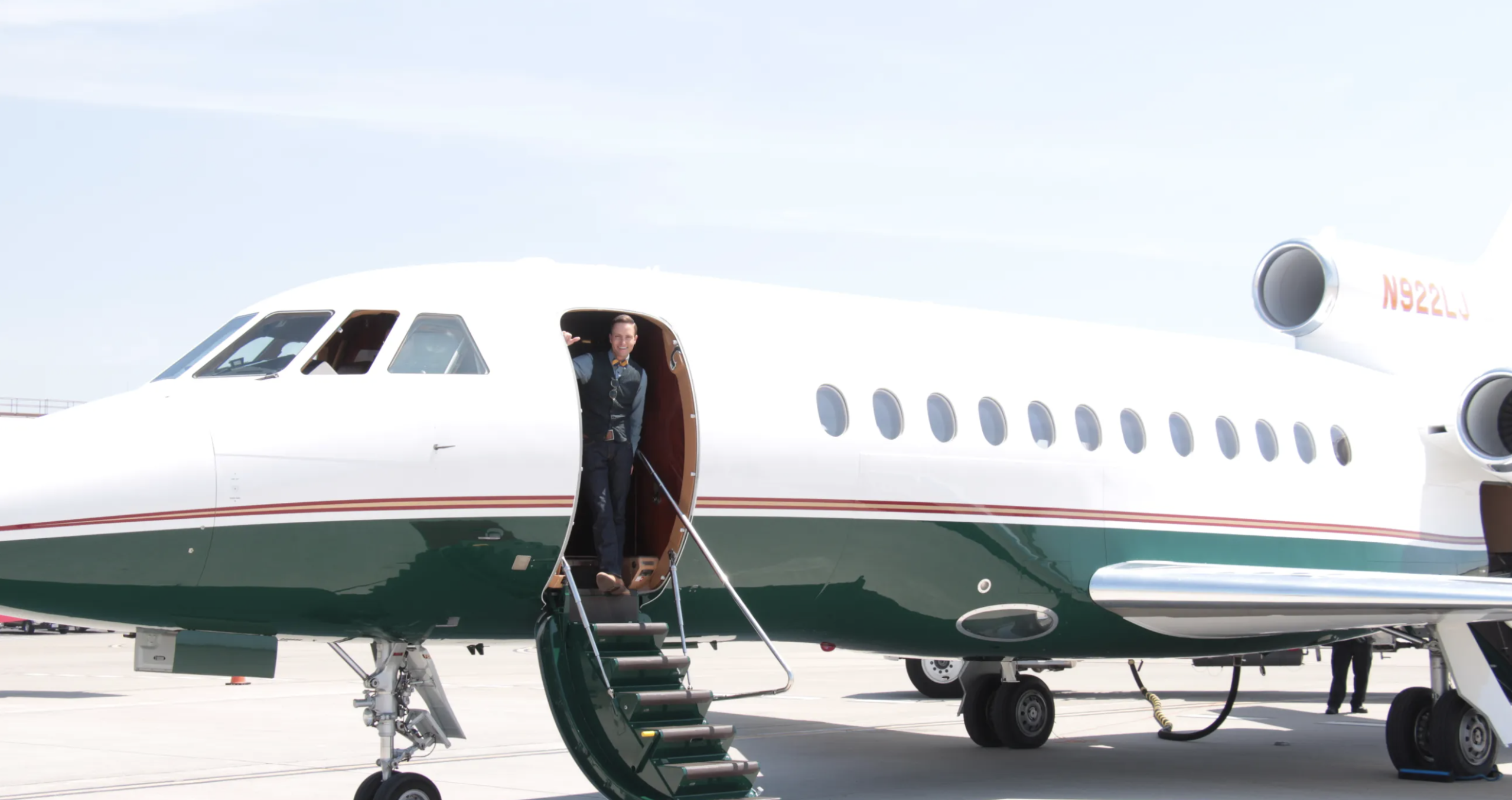
How do you manage a busy life on the road?
People say, “You’re on 10 planes a week. How do you do that?” And actually, it’s not so hard. You’re just getting off and on a plane. I get work done, I go see amazing things and people, and I go home. I think if I were a single guy, I would go and stay somewhere like the Hotel du Cap for the week, but I have no interest in that. I travel and my life is so full, but I barn run home to the places and people I love. It makes my travel a little more hectic. I’ve literally gone to the Middle East for a day trip. I landed at the crack of dawn, had an all-day meeting, and got on the 8 o’clock flight. I never spent a night there, because I can sleep on the plane. It sounds crazy, but in some ways, that’s really what my homes do for me; they provide comfort, joy, and security.
Speaking of barn-running home … tell me more about San Francisco. What is it about the city that’s made it such a meaningful part of your life?
San Francisco, to this day, remains along with Provincetown, my greatest inspiration. It’s a city that consistently takes your breath away. It is almost an unsettling beauty at times. I grew up in bucolic Virginia, and I think it’s one of the reasons I love Napa, because there’s a stillness and a soft light. But San Francisco you can’t ignore. It’s a vibration that’s contagious to someone like me. It’s also an incredibly optimistic city. I always think our next best thing is in front of us. I’m never thinking, oh, the good old days…. I’m like, well, that sounded really fun … let’s make it even better. I read this article about a couple in their 80s, and they had this big, vibrant life and they were asked, what is the secret to keeping it fresh and engaged and alive? They said, “We committed early on that every five to seven years we would repot ourselves, we would make a substantial change in our lives, it could be a house, a job, a new activity that we threw ourselves in, but we forced ourselves to do it, even though it’s uncomfortable at times.” I find that sometimes we have to shake off things in order to grow again. You look at San Francisco that has 800,000 people — it’s the second most dense city in America — yet it has been a change maker throughout its history, from the gold rush to the counterculture of the 1960s to the gay liberation movement, to figuring out the AIDS crisis, to these technology booms, all of this is happening in this tiny town, and so to be witness to that, it is thrilling for someone like me, who is a sponge for wanting to do new and exciting things.
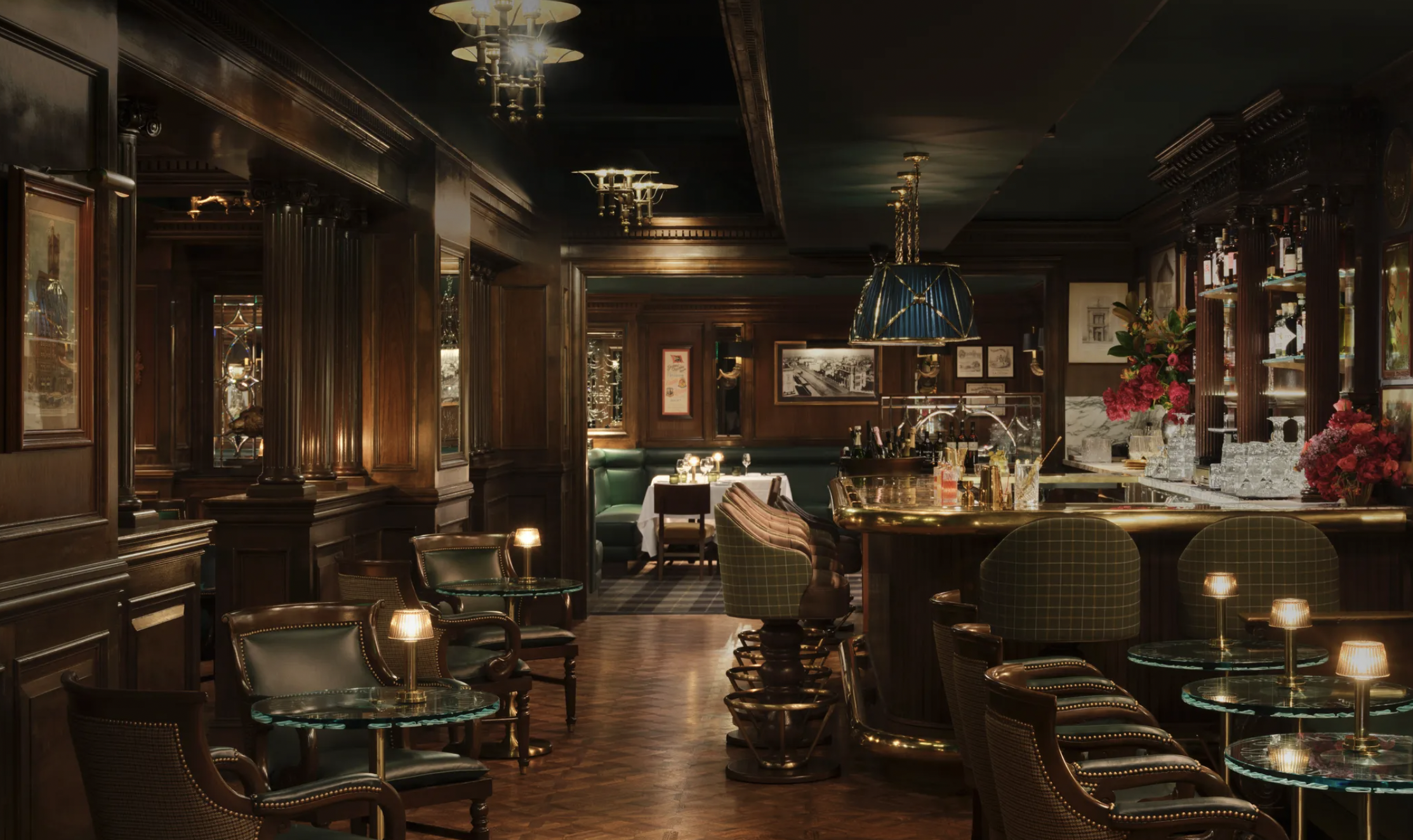
The Big Four in San Francisco’s revamped Huntington Hotel
You’ve had no shortage of notable projects over the years, including The Huntington Hotel most recently. What does this one mean to you?
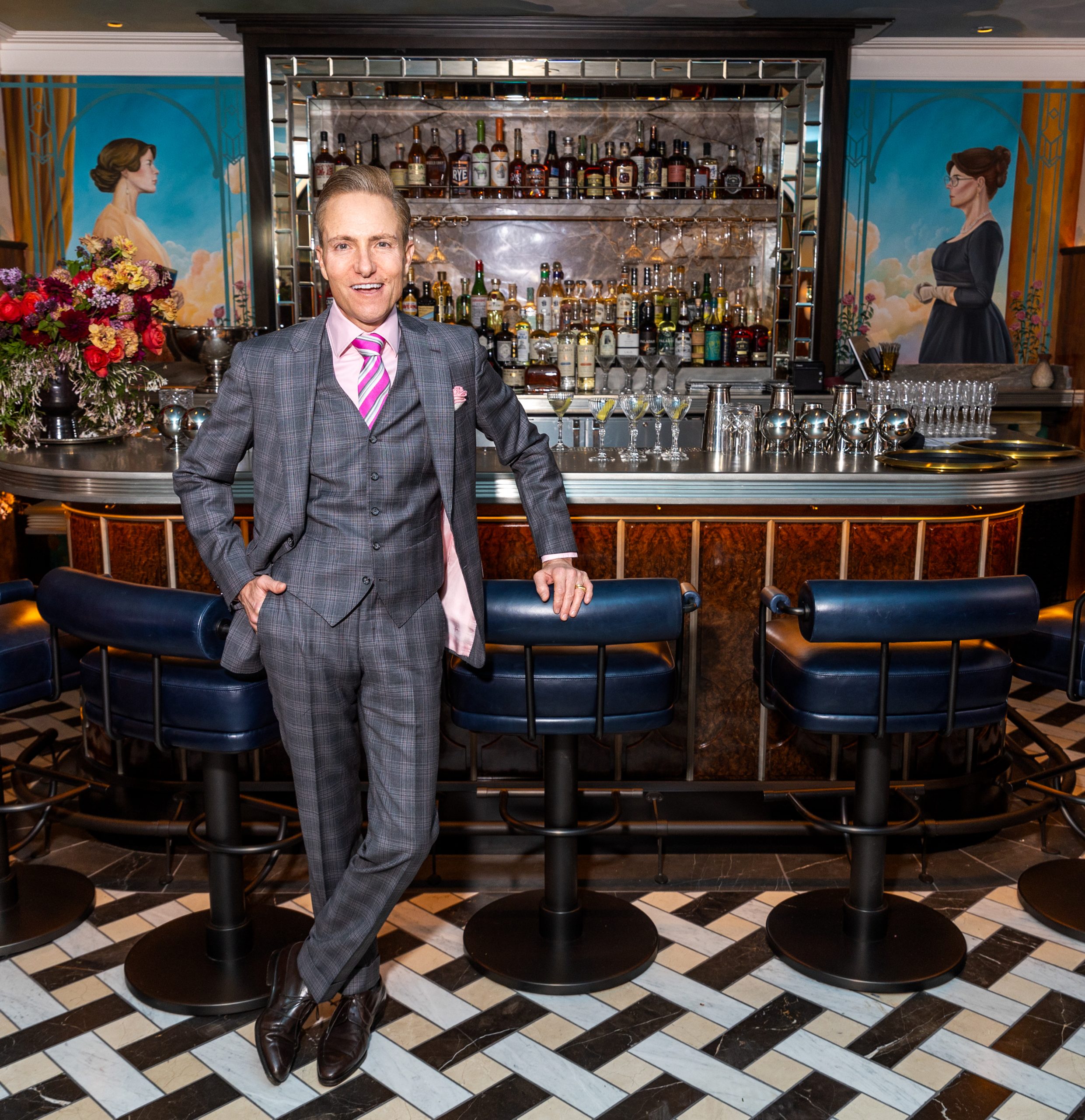
We’ve done many hospitality projects of note, but I’d never done a hotel in my adopted hometown {until The Huntington.} As someone who loves history and the city, it was perfect timing. That hotel, which is grand in some sense, but very discreet in others, is an in-the-know place so I felt honored to be the steward of it. I joke, the first mantra is don’t screw it up. I think the last iteration maybe didn’t suit it. So how do you pay tribute to something that was adored, where people have built these memories, but also bring it forward and make it relevant, elevate it, activate it, and be careful with it as well, and not erase the past? I don’t feel like I need to put my big imprint on it. It’s a dance, and it felt important to get to do that, and then now to see people like you return to appreciate it and have new things to discover. You realize why Nobb Hill is such a fabulous place to stay. For a fantastic town, even with some remarkable hotel buildings, we haven’t had our kind of Claridges, or those hotels that mark a city. It feels like The Huntington has arrived. As someone who every week gets asked where to stay in San Francisco, suddenly, you have a great answer, where you know people will be taken care of. It’s an escape and also a bit of a hideaway, yet it’s smack in the middle of the city, with cable cars running by, and views of the bay.
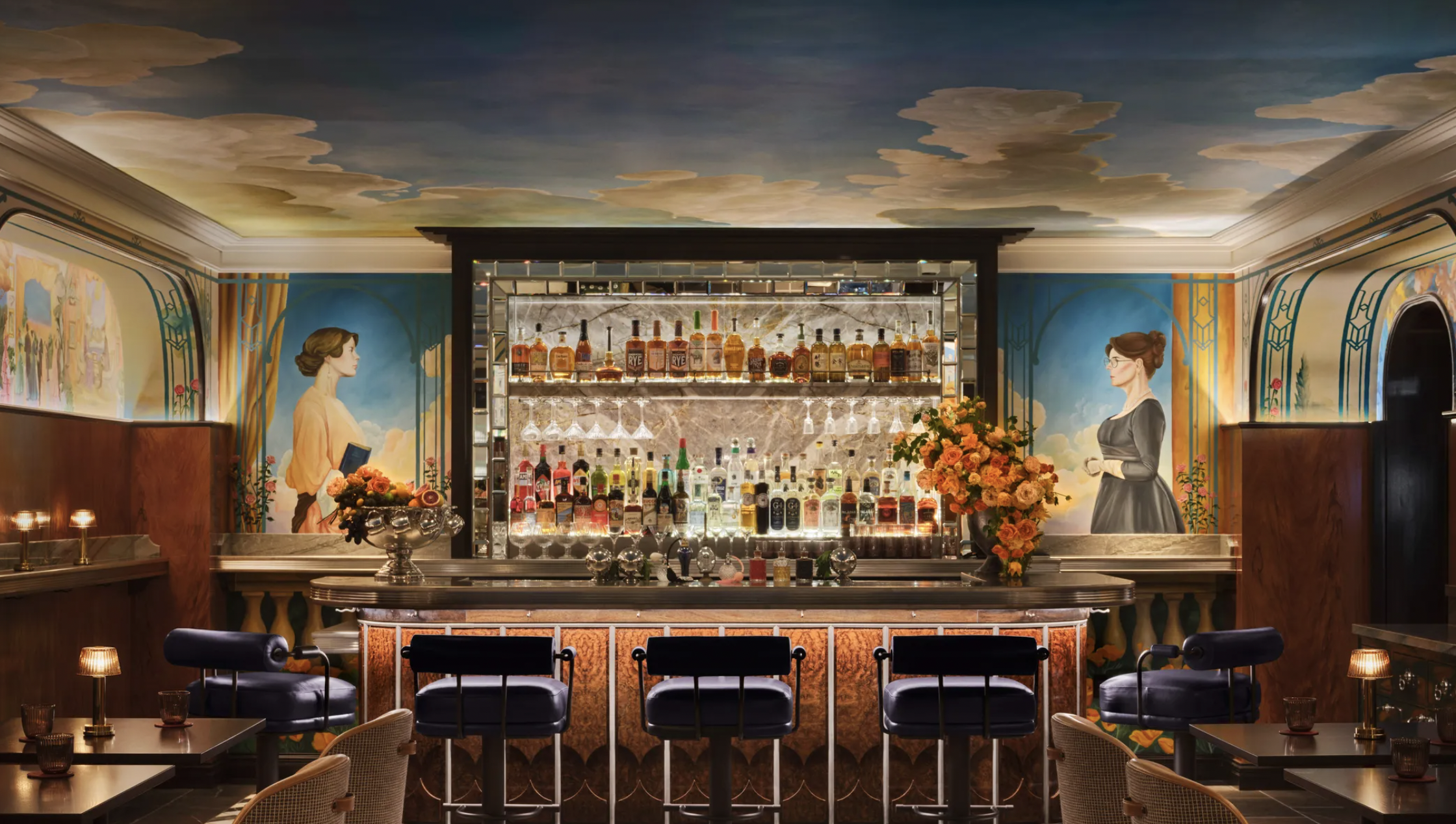
Arabella’s Bar at The Huntington
Let’s migrate now to your east-coast home in Provincetown — when did you first fall in love with it?
I was living in Boston the first time I visited in the early 90s. A friend bought me down, and I had never even heard of it. I’d yet to meet my husband, Kurt, and my reaction was, how does this exist in Massachusetts? It was physically super charming, with all these historic houses on this tiny little street, but then there’s the kid eating an ice cream cone, and the seven foot tall drag queen, and the cute boy that walked by, and the wonderful family holding hands, and the crusty old fishermen. It felt like I was in some Italian seaside village with highly evolved, interesting people. That’s still the case in Provincetown. I still bike down the street, and you can’t not say hello to 100 people. It feels the way life should be all the time, and it’s so deeply refreshing and joyous. It’s the closest I ever feel to being a kid.
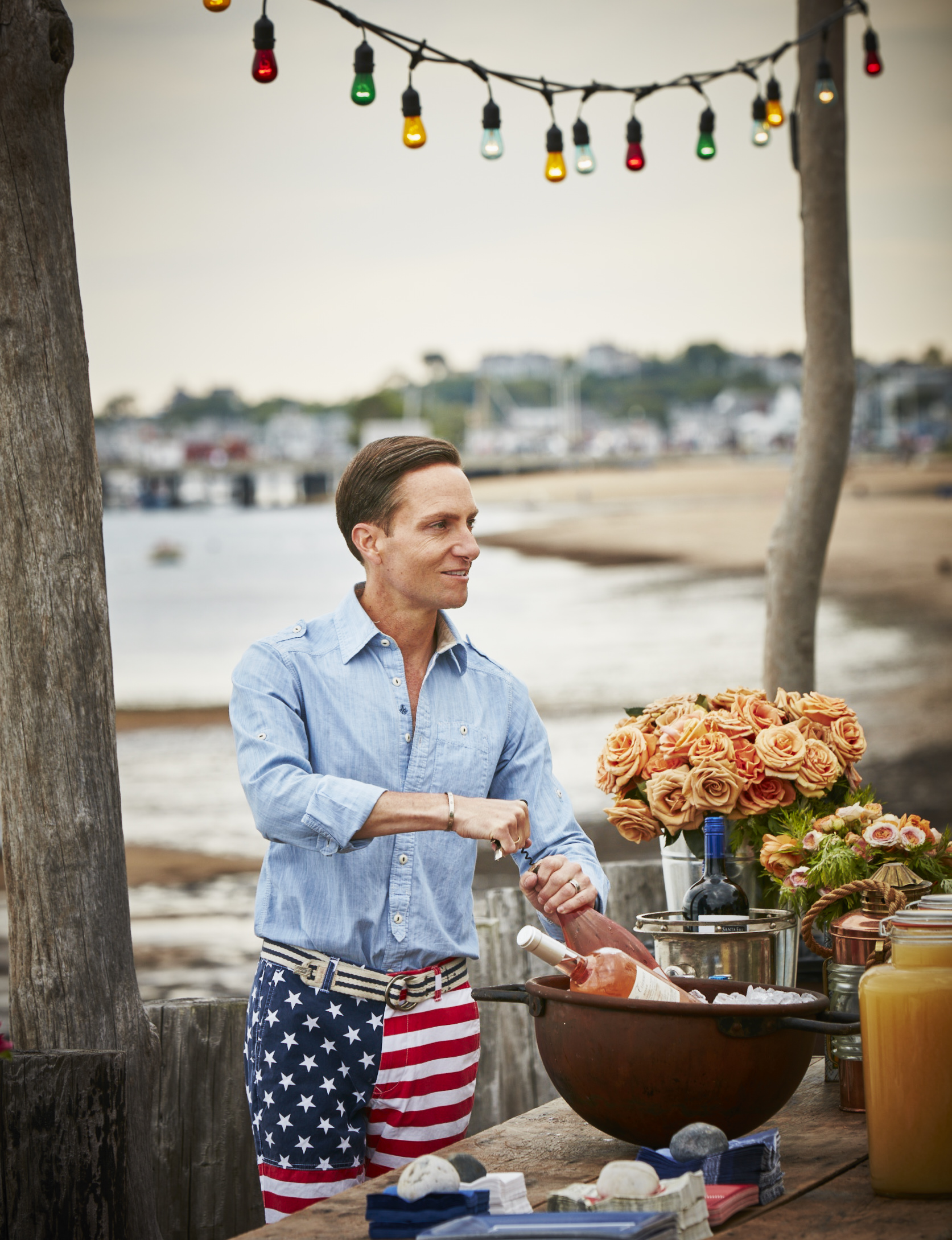
How much time do you spend there every year?
Predominantly we spend our summers in Provincetown and we typically stay from the beginning of May to the middle of October. I try to come every month of the year, because my life’s goal is to be “a townie,” which is what they call locals.
What does a perfect weekend in P-Town look like?
When you come, there’s a place to stay on the west end by a restaurant called Sal’s Place, named after a 97-year-old artist named Salvatore Del Deo, who’s a dear friend. Back in the 60s and 70s, Sal had this restaurant, and it was like the town clubhouse. Flash forward, an Irish woman named Siobhan Carew, who’s also a friend, took it over and it’s perfectly imperfect, just like Provincetown. Last year she started Sleep at Sal’s which is right on the water and terribly chic. Wake up there and head to Kohi Coffee. If you want street cred, find an old bike. Here, you’re never judged on how fancy your car is, but how old your bike is. Back at Sal’s, pack a beach bag, and pick up lunch at Pop+ Dutch, which is run by a wonderful couple; they roast a turkey every night, make real pimento cheese, and great sandwiches with names like Celine Dijon. Later, bike into the Province Lands – you’ll see a fence with sand dunes, and maybe five-hundred bikes. Pile yours there and follow a path across the tidal pools till you get to the beach. If it’s Friday, head to town that evening for cocktails at Ladyslipper. Friday is gallery night, and it feels like a street party. Because stores stay open late, do some shopping at The Captain’s Daughters and Clove & Creek. The best place to get your souvenir is The Old Baby; they make the best T-shirts and hand painted canvas totes. Provincetown is still America’s oldest continuously operated arts colony, so the atmosphere is busy and fun. Have dinner at Sal’s, or alternatively, The Red Inn is another great place to watch the sunset and grab a cocktail. If you have more days, you can also visit The Great Dunes of Provincetown. There are historic artist shacks there and a vast dunescape that looks like the moon. You’re often the only one there, other than dancing seals.
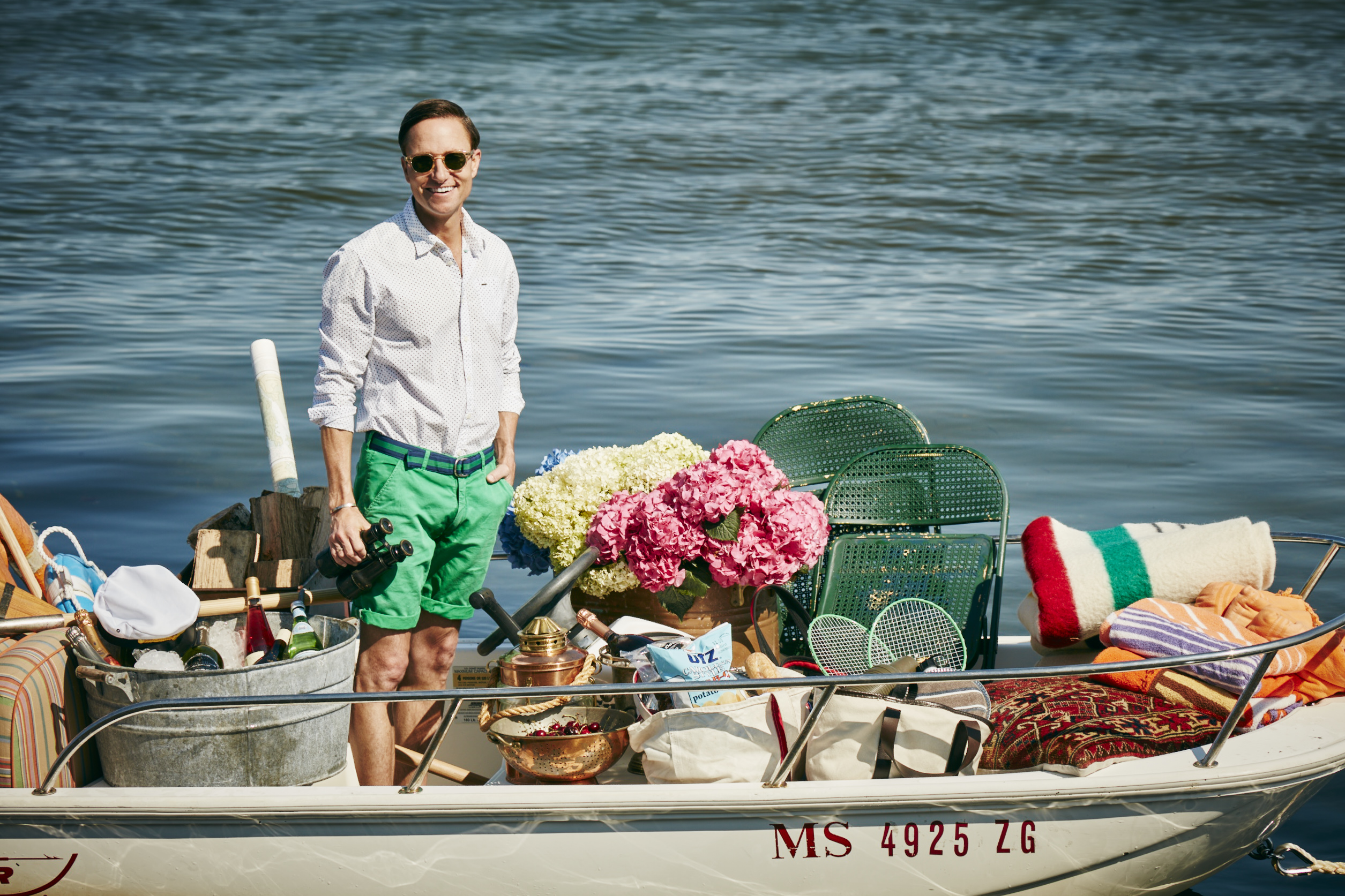
How does life compare from the west to the east coast?
Interesting enough, I often compare San Francisco and P-Town. Provincetown is very dense. You could almost touch my neighbor’s houses, so you live tip to tail, kind of like you do in a city. But the beautiful thing about that is everybody you love is at arm’s reach. I don’t have to plan to see you. I’m going to bike by you three times today. We’re going to go to yoga by accident. You’re going to be sitting next to me at Sal’s. Both SF and P-Town are these intensely beautiful, imperfect towns set perilously on the sea, and they’re filled with a wacky group of denizens. They tend to attract people that are eccentric outsiders, and I think it’s why both feed me.
Anything you’re reading and loving?
I love poetry, and many of Mary Oliver’s poems were written in Provincetown. I recently picked up Devotions, which is a collection I love. There’ve been incredible folks who’ve written here from Tennessee Williams and Eugene O’Neill to Mary Heaton Vorse, whose former home is across the street. If you want to understand Provincetown, she wrote a book in the 40s called Time and the Town that I continually read. Another great book I tend to give guests is by Michael Cunningham, who wrote The Hours. It’s called Land’s End: A Walk in Provincetown, and it captures this place in a great way. I reread it because it amplifies my love affair.
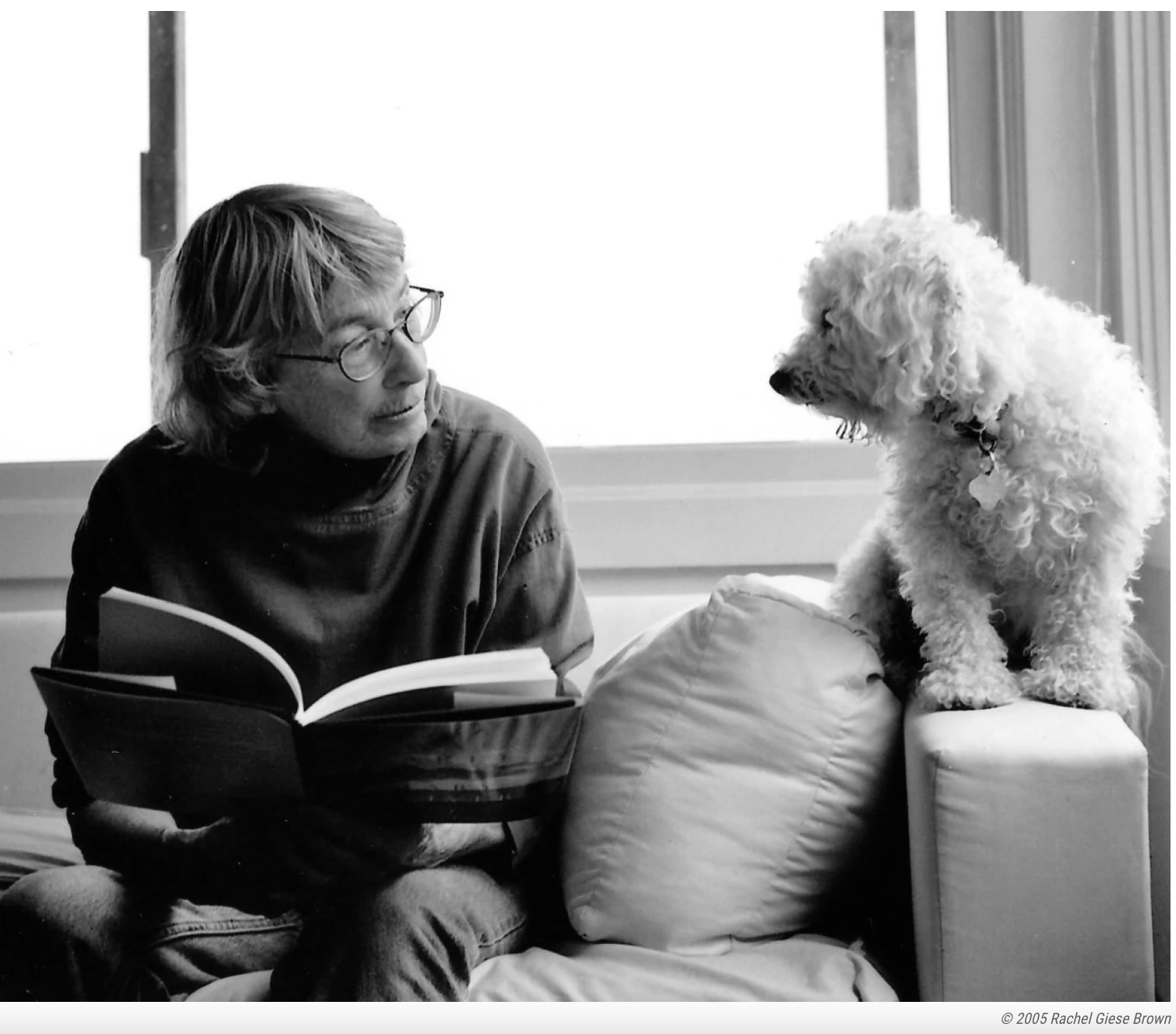
Mary Oliver
Favorite podcasts?
I’m a Kara Swisher fan. I once got to be on HBO’s Succession Podcast, which was the coolest thing. Her interviews are always insightful. I find myself aligned. She holds a good mirror up to people and reflects on the ridiculousness of ourselves.
Finally, any bucket list destinations?
I’ve always wanted to visit Antarctica. In my other life, I wrote storybooks, and one of them was called Seven Weeks on an Iceberg, and it was about life in the South Pole, and penguins, so I learned a lot about them. I’m adventurous and love pushing myself and feeling that mix of what lux looks like … like having a gin and tonic amidst icebergs. Somehow it feels old-fashioned in a way.